
Understanding RTP and Volatility in Online Gambling: Key Concepts for Players
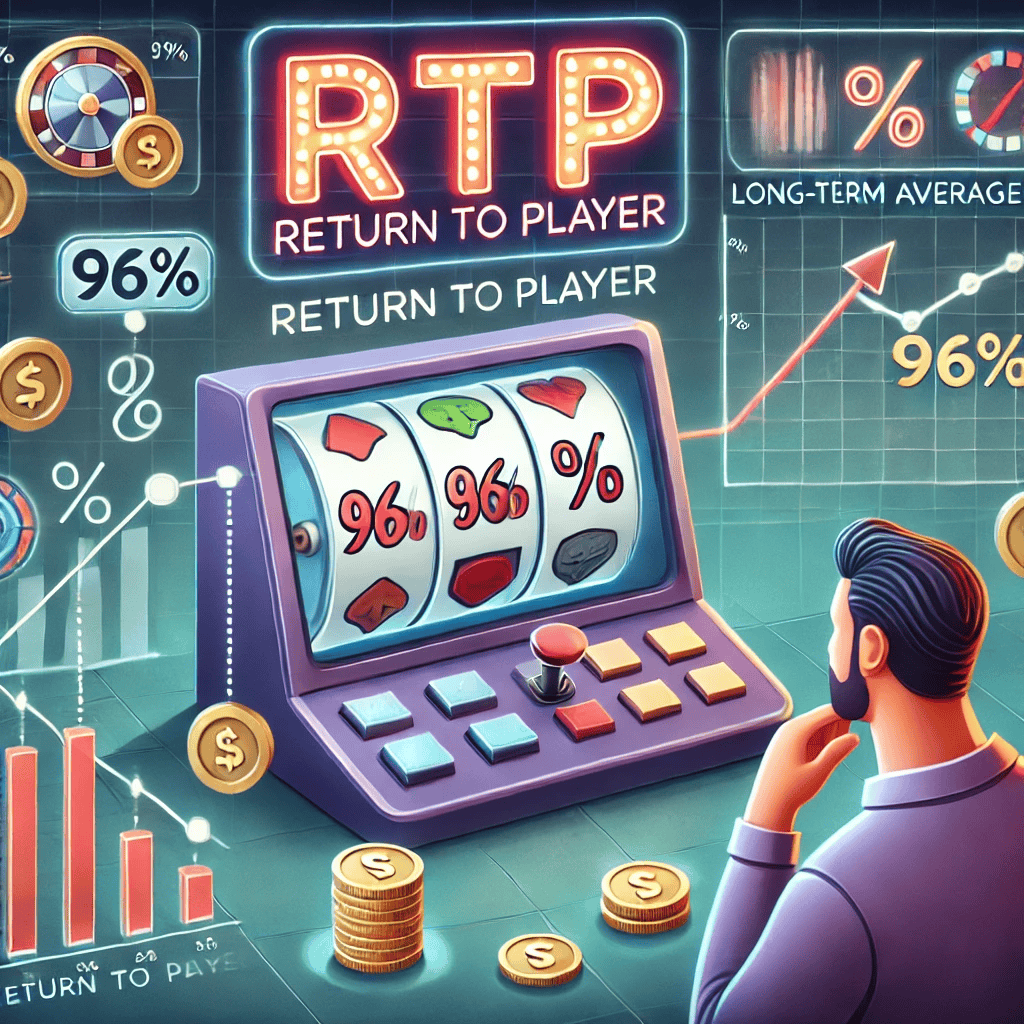
Return to Player (RTP) is a crucial metric when it comes to online gambling. It represents the percentage of all wagered money that a game is designed to pay back to players over time. It’s the “average” payout players can expect, but it doesn’t guarantee results in any individual session. For instance, if a slot has an RTP of 97.3%, it means that, on average, for every 100 units bet, 97.3 units will be returned to players over the long term.
It’s important to note that the RTP value varies from game to game. In blackjack, for example, the RTP can be as high as 99.7%. On the other hand, slots typically have an RTP ranging from 94% to 98%, with some titles like “Book of 99” offering an RTP as high as 99%. However, it’s vital to remember that RTP is calculated over millions or even billions of spins. This means that while playing a few rounds may not result in payouts as expected, over time, you’ll approach the predicted RTP.
Should You Focus on RTP When Choosing Games?
For many players, a high RTP can seem like the key to winning more frequently. However, while RTP can give an idea of how much of the wagered money is returned to players on average, it doesn’t guarantee consistent wins. Gambling is still a game of chance, and luck plays a big part in the outcomes.
Additionally, understanding how game developers calculate RTP is essential. Games are typically tested through millions of simulated spins to determine the average return. But remember, even if a game promises an RTP of 97.3%, no individual player is going to play billions of spins. The longer you play, the more likely the game will conform to its expected RTP.
What Is Volatility in Gambling?
Volatility refers to the degree of variation in the payouts from a game. It can be low, medium, or high, and it significantly impacts the player’s experience. High volatility means that the game will experience larger fluctuations in wins and losses, with occasional big payouts but also longer losing streaks. Low volatility, on the other hand, means more frequent but smaller wins, offering a steadier experience.
The level of volatility can influence how much risk you are willing to take. A low-volatility slot might provide regular, smaller payouts, making it a good choice for those who prefer more consistent action. High-volatility games, however, are ideal for players who are willing to take risks in exchange for the potential of big wins.
How Does Volatility Affect Your Strategy?
Understanding volatility can help you manage your gambling strategy. High-volatility slots often require larger bankrolls because the wins come less frequently but have the potential to be substantial. If you’re playing a game with high volatility, you should be prepared for longer losing streaks and manage your bets accordingly.
Conversely, low-volatility games may offer smaller payouts but more frequent wins. These games are more forgiving for players who prefer less risk, as they provide a more predictable experience.
For example, in roulette, betting on red or black covers 18 numbers, which gives you nearly a 50% chance of winning, resulting in a low-risk, low-reward strategy. On the other hand, betting on a single number offers a high reward (35:1 payout) but is much riskier.
How to Use RTP and Volatility in Your Casino Strategy
When choosing games, players should consider both RTP and volatility to align with their personal preferences and risk tolerance. If you want to play it safe, choose low-volatility games with decent RTPs. But if you’re after high-risk, high-reward experiences, look for high-volatility slots with potentially bigger payouts.
RTP and Volatility as Tools for Bankroll Management
Both RTP and volatility are crucial in managing your bankroll effectively. Games with higher RTP and lower volatility are generally safer bets, as they promise more predictable returns. Meanwhile, higher volatility games, though riskier, can reward players who are willing to manage their bankroll strategically and take more risks.
Conclusion
RTP and volatility are essential factors to consider when playing at online casinos. While RTP gives you an idea of the average return in the long run, volatility helps you understand the risk level associated with a particular game. By choosing the right games based on these two factors, you can tailor your gambling strategy, maximize your chances of success, and manage your risk accordingly.